Finding Words Through Art: Reflections on the First Poetry Pathways Workshop
By Tom Retchford
Tom Retchford is Poet in Residence at Falmouth Art Gallery. He has completed his Gold Arts Award and is now developing poetry workshops for neurodiverse people in the community.
On 23rd February 2026, we welcomed a group of students from Penryn College’s Area Resource Base (ARB) to the Gallery for something new: our very first Poetry Pathways workshop. There was a quiet sense of anticipation in the room that morning. For me, it wasn’t just about delivering a session; it was about opening up a space where creativity, imagination, and expression could meet in a way that felt natural and unforced.
I wanted the workshop to feel different from a traditional lesson. Working alongside the Gallery’s Access and Interpretation Manager, Sarah Scott, we set out to create something relaxed and open. Jo Lumber writer and creative facilitator had helped us prepare the session – sharing her creative writing skills. The aim was simple: to invite the students to explore poetry through art, and to discover their own creative voices without pressure.
Over the course of two hours, we guided the group through three activities, with a break in between to keep the pace comfortable. We began together, easing into the space as a group before moving into an exploration of the gallery itself. The students spent time with selected artworks, using them as starting points for ideas, observations, and imagination.
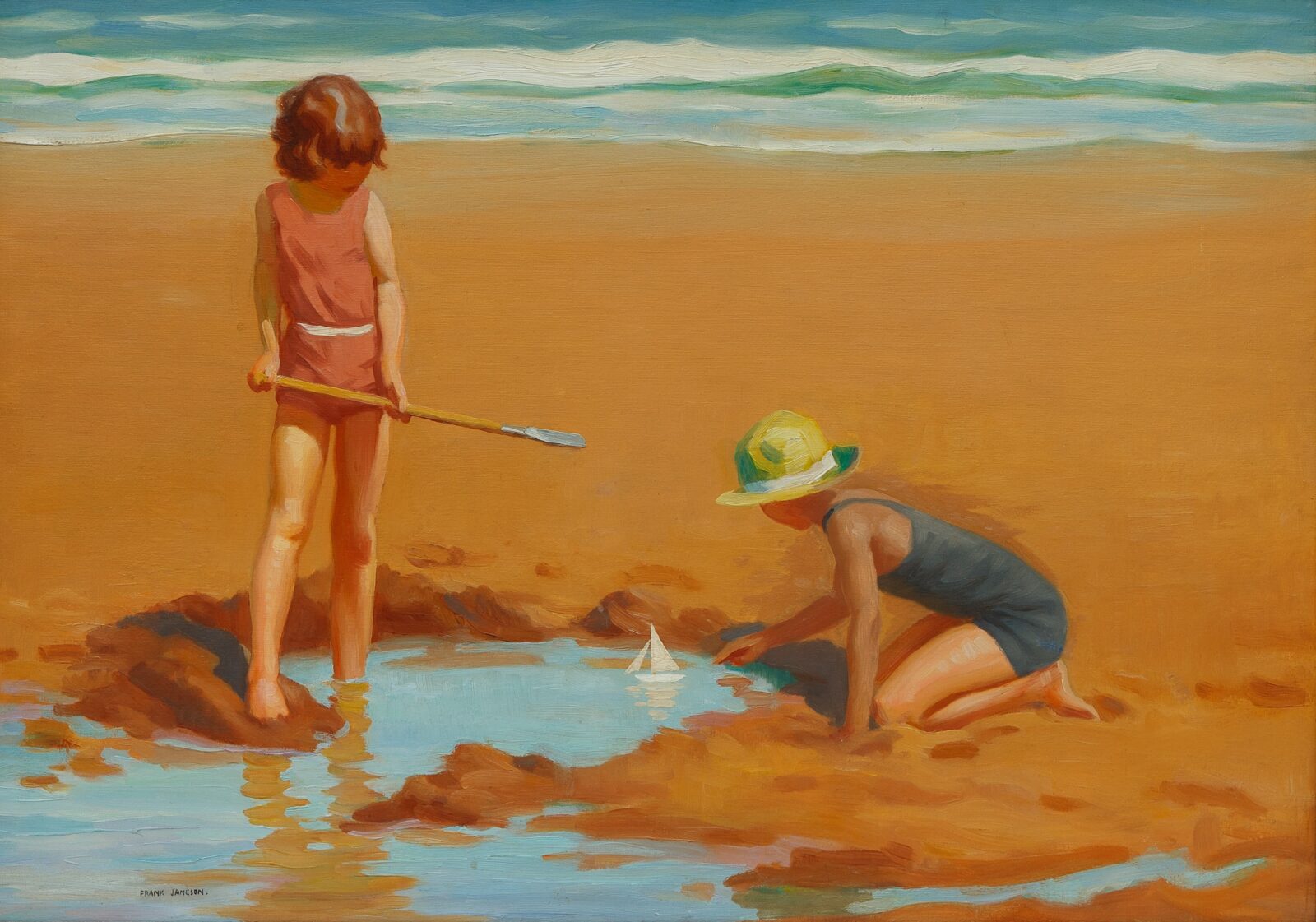
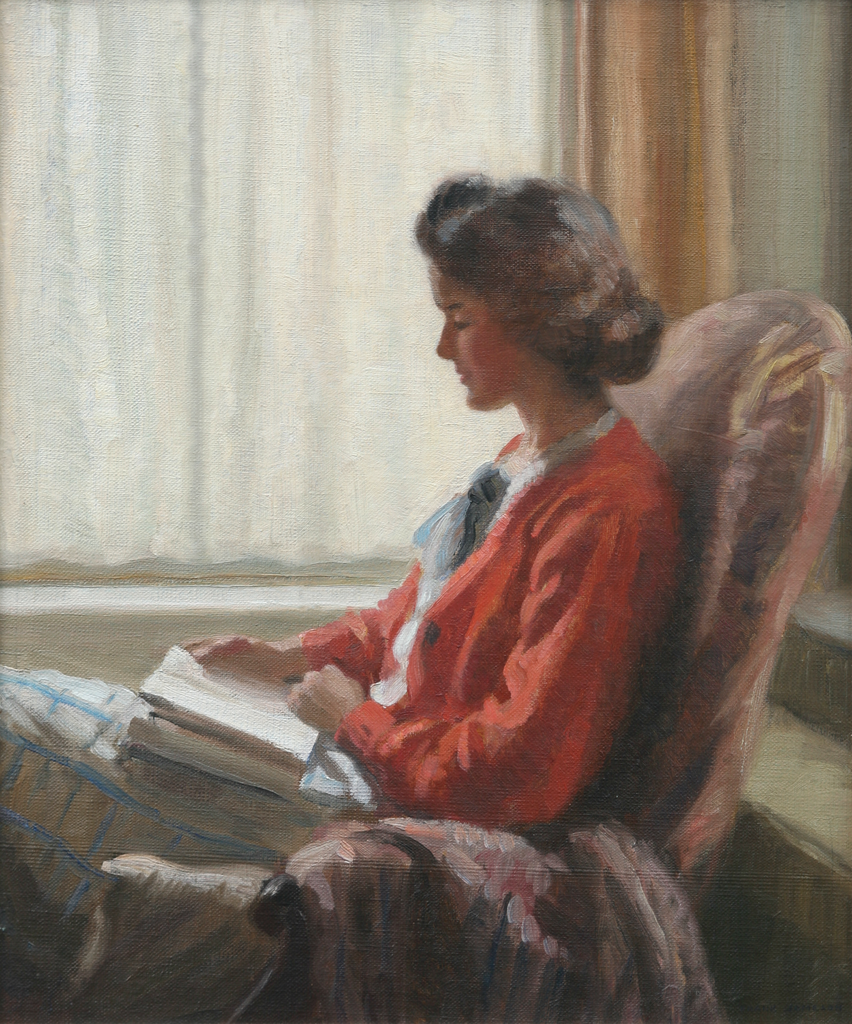
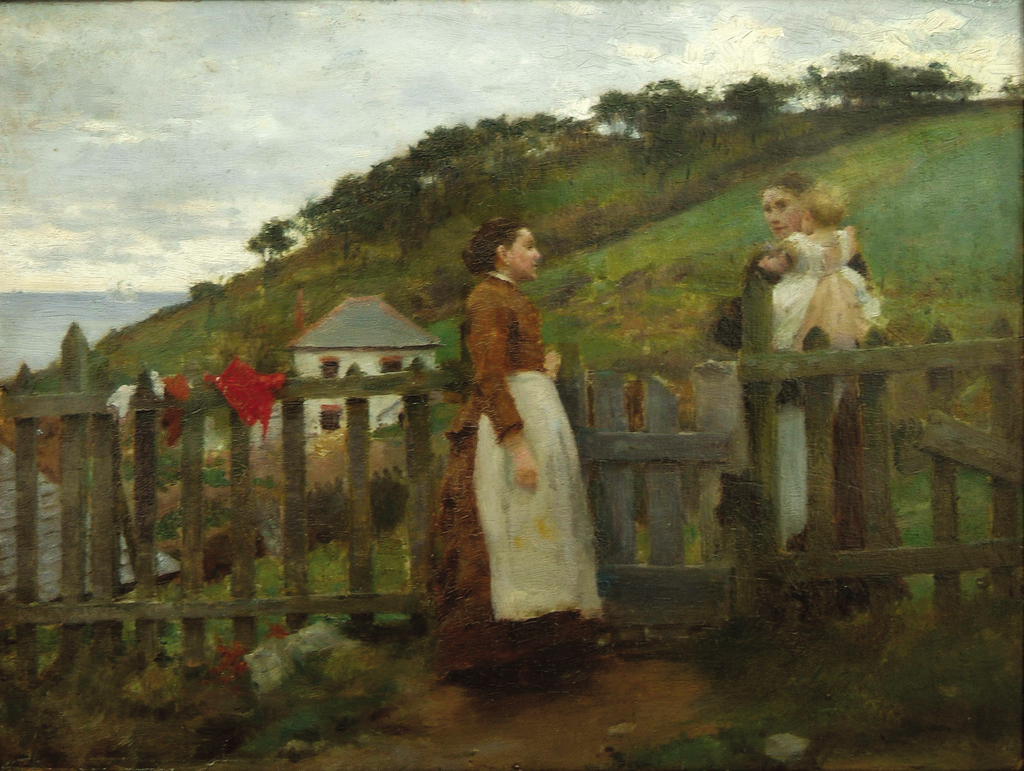
The pieces we chose (Fun on the Sand and A Quiet Read by Frank Jameson, and A Morning Gossip by Henry Scott Tuke) offered a range of moods and moments. They became quiet prompts for storytelling, encouraging the students to look closer, think deeper, and respond in their own way.
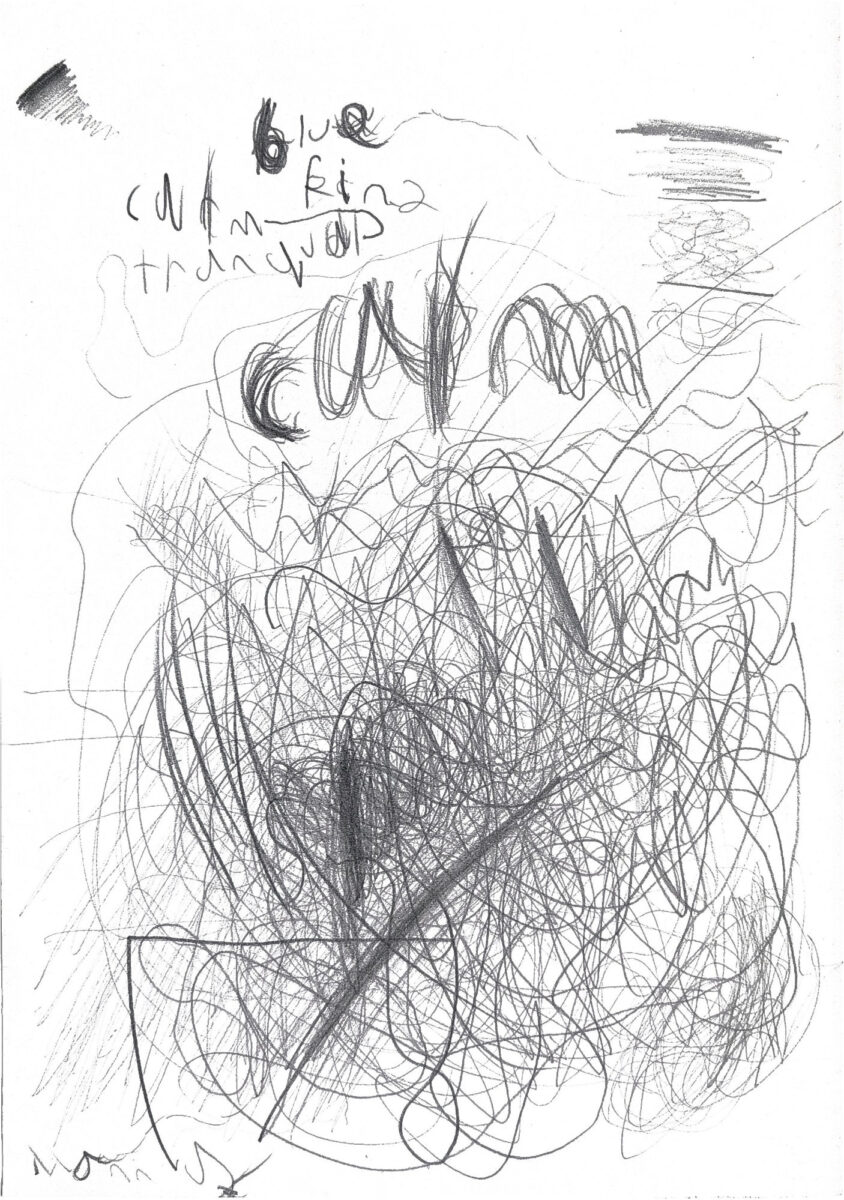
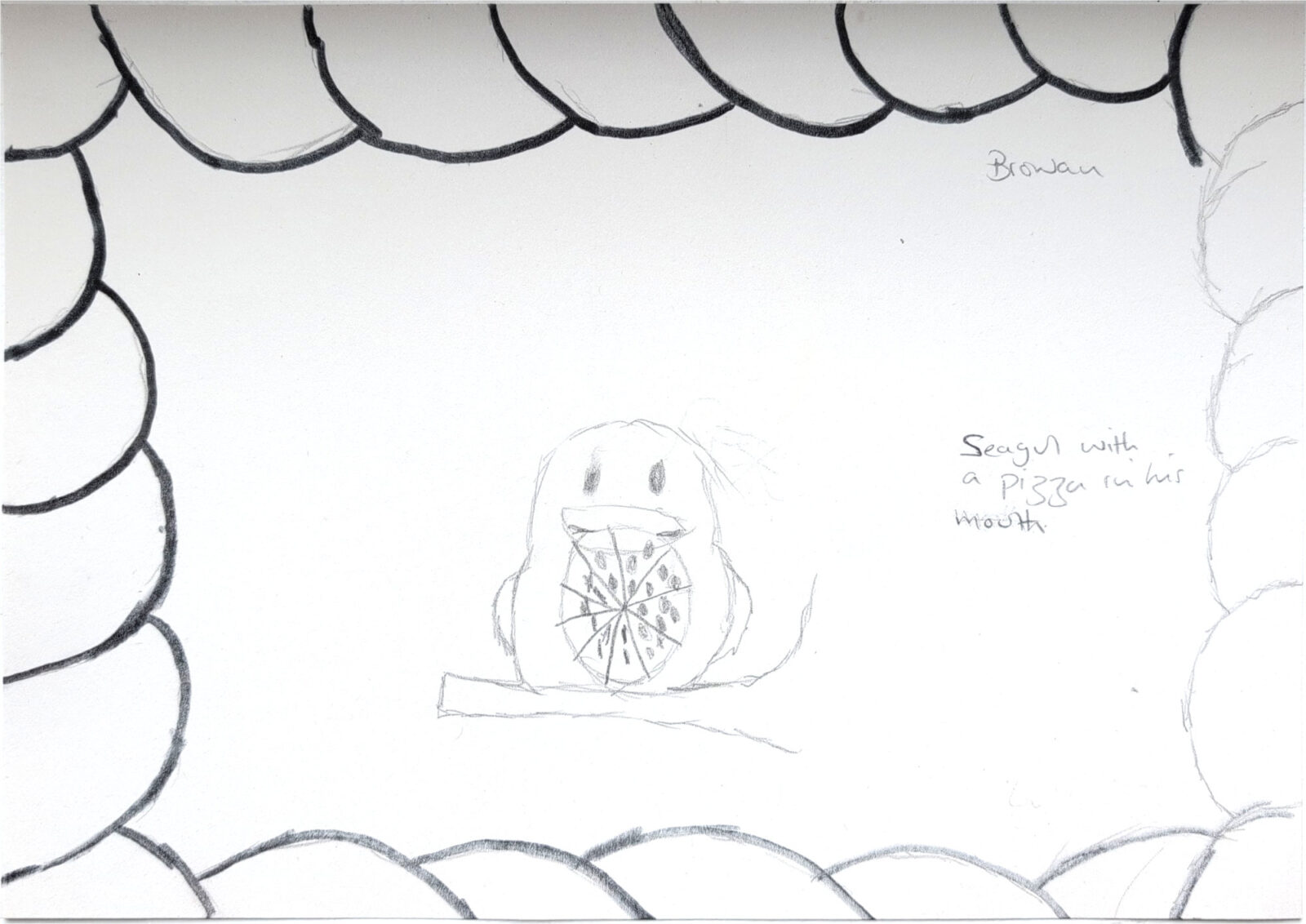
In the final activity, the students worked in groups to create their own poems and written pieces inspired by the artworks. Some chose words, others preferred to draw, and many blended the two. That flexibility was important to us. Creativity doesn’t follow a single path, and it was vital that everyone felt able to engage in a way that suited them.
Throughout the session, I spent time moving between the groups, listening to their ideas and seeing how their work was taking shape. The support from school staff was invaluable, and it was encouraging to hear them reflect positively on how well the groups worked together.
As someone on the autism spectrum myself, I was especially aware of the importance of creating an environment that felt safe, comfortable, and inclusive. Every student experiences the world differently, and I wanted the space to reflect that understanding, offering room to think, create, and participate without feeling overwhelmed.
Fun on the sands
A tranquil, calm turquoise sea.
A sunny, Summer breeze
Young sisters playing
Sailboat white as snow Smooth sand, low tide, yellow buckets
HAT Wavy sea, shiny spade, memories of collecting shells.
This was the written by the students Sarah was working with,
Manny and Browyn.
The sea is still.
No Pebbles Brother and Sister.
Happy. Four yrs old.
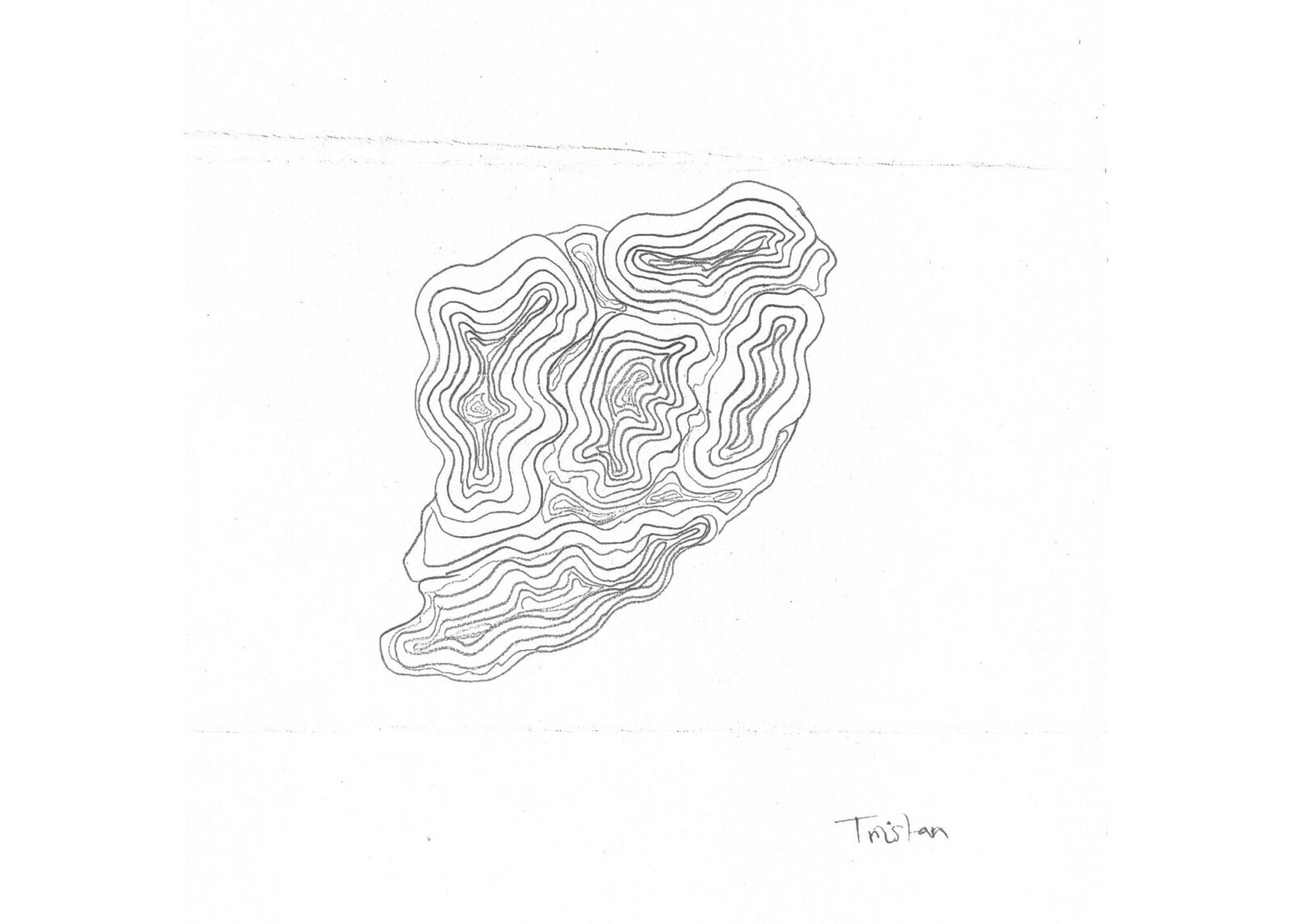
Tristan
Kindness Poem
The sea is still.
No pebbles.
Hot
day.
Brother and sister.
Happy.
4 years old.
I see the toy boat.
I hear water.
I smell the sea breeze.
I feel the water.
Fun.
On holiday.
Summer
James
A Morning Gossip
It is a mild day on a countryside.
Two Neighbours are chatting to each other.
Looking at the lovely view.
Korbyn
Old Fashioned cottage in a seaside town
Distant sea views, ship passing by
Friends and neighbours gossiping
Clothes Dring on the wooden fence.
Zachary
The comfortable cottage sits in the green rural land.
Joyful neighbours sharing friendly gossip.
A well cared for beautiful baby sits happily in mum’s arms.
Separated by an old, fossiling fence.
As they can smell the salty sea
While hoping their dresses don’t get muddy in the puddles.
Lexi
In the summer shadows of trees.
A mother, an aunt, a baby, cold cloudy.
Talking,
something ages ago.
Ava’s hidden poem.
A Quiet read
Relaxation
It was a long day at work and the girl was tired,
she sat down like she was melting,
she pulled a book out of the bookshelf,
she read for a bit and then fell asleep.
Jaygo
Grabbed time, my pleasure -shh!
Seeking quiet, tranquillity
Needing calmness and comfort
Reading, reading avid reader
Becoming relaxed, comfortable and composed.
Ms T
It was a bright day outside but she decided stay inside and read.
She was immersed in the book, fully at peace after a day of work.
Relaxing by reading!
Reuben
View from the Vandermeer
Looking back, the experience felt like a strong beginning. Not just for the students, but for us as organisers too. It gave us insight into what works, what could grow, and how this project might develop in the future. We’ve already started thinking about how Poetry Pathways could expand, reaching more groups, building stronger community connections, and continuing to explore creative writing with neurodiverse individuals.
At the end of the session, some of the students shared their work. Their thoughtful, imaginative, and honest words felt like a reminder of why this matters. We’ve kept those pieces, with hopes of developing them further, perhaps even building a collection one day.
This was only the first step, but it feels like the start of something meaningful. I’m excited to see where it leads.
‘A real positive for me was pupils under no pressure and free to do their own interpretation of the paintings.’
– Donna Watts, ARB teacher at Penryn College
Special thank you to Penryn College & Jo Lumber for supporting this workshop.
What kindness means
When Grandma makes me squash
When someone cooks the dinner for me
When I help my mum with house jobs
When someone offers you a sweet.
Being honest, true and free
Is what kindness meant the most to me
Helping someone unload the shopping
When someone holds the door for you
Making things for my brother
Lorry driver stopping to let me cross the road
A world that finds peace and harmony
That’s what kindness means to me.
Making a cup of tea for my dad
Create maps on Minecraft with my brother
Being kind and considerate to my friends
Wishing a polite good morning to a passing person on the street.
Sticking together. Everyone from close friends to families
All these things and many more is what kindness truly means.
23rd February 2026 group activity with Penryn College ARB students
Tom Retchford and Penryn College ARB